
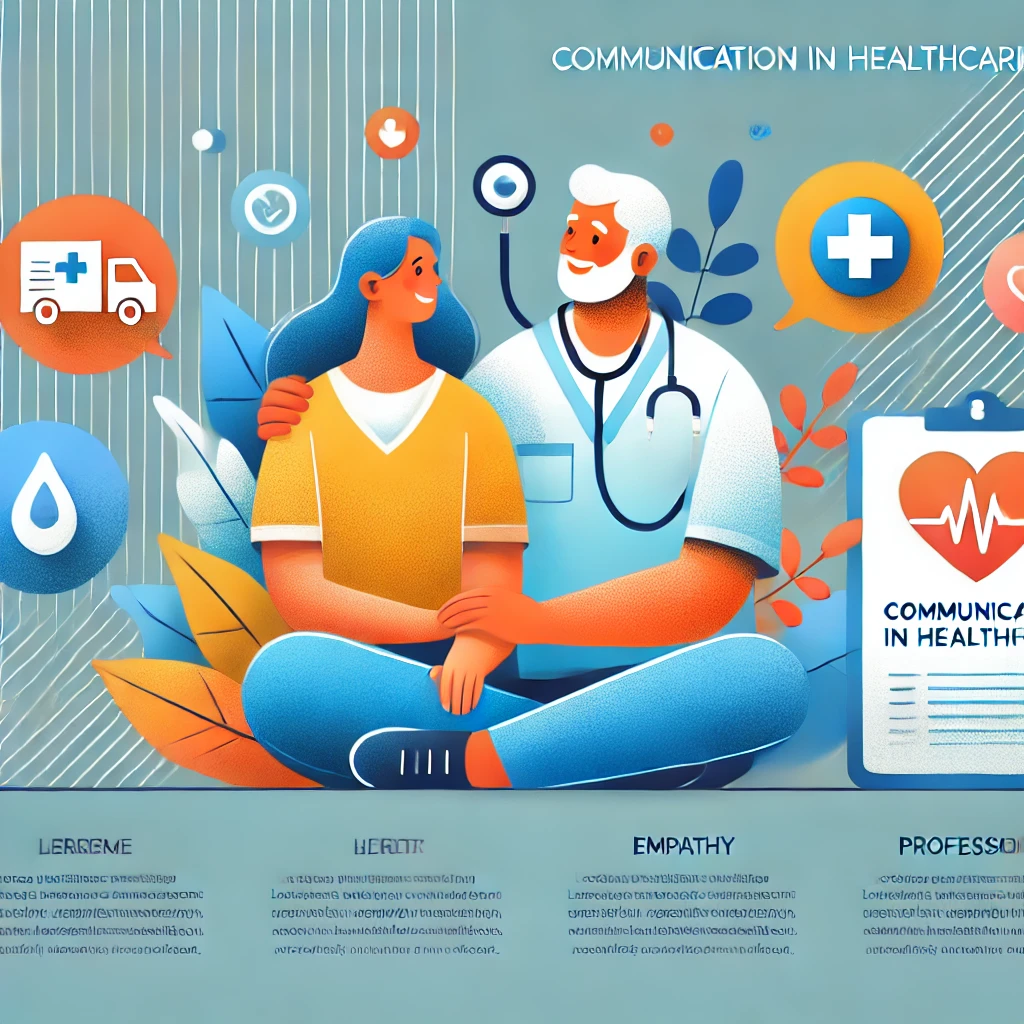
Healthcare assistants (HCAs) play a vital role in patient care, supporting both patients and medical teams. While technical knowledge is essential, strong communication skills for healthcare assistants are equally important. Effective communication builds trust, strengthens teamwork, ensures patient safety, and enhances overall satisfaction.
1. Building Trust with Patients
Patients can feel anxious in medical environments. HCAs with strong communication skills can:
-
Listen Actively: Understand patient concerns, preferences, and needs.
-
Acknowledge Views: Show respect for patient opinions.
-
Use Body Language: Maintain eye contact and positive non-verbal cues to create comfort and reassurance.
2. Understanding and Meeting Patient Needs
HCAs are often the first point of contact. Effective communication helps:
-
Accurately interpret patient symptoms and concerns.
-
Relay important information to nurses and doctors.
-
Reduce errors or delays caused by miscommunication, ensuring patient safety.
3. Facilitating Teamwork
Healthcare relies on collaboration between doctors, nurses, and other staff. HCAs with good communication:
-
Share observations clearly and concisely.
-
Keep all team members aligned to enhance efficiency and quality of care.
-
Prevent misunderstandings that may affect patient outcomes.
4. Providing Emotional Support
HCAs can offer emotional reassurance to nervous or anxious patients by:
-
Explaining procedures in understandable terms.
-
Listening empathetically and comforting patients.
-
Helping patients feel more in control of their situation.
5. Ensuring Clear Documentation
Communication extends to written records:
-
Maintain accurate records of vital signs, observations, and care notes.
-
Clear documentation prevents misinterpretation and medical errors.
-
Supports smooth coordination among healthcare staff.
6. Adapting to Diverse Patient Needs
HCAs often serve patients from various cultural and linguistic backgrounds. Strong communication helps:
-
Adapt language, tone, and explanations to suit patient needs.
-
Use visual aids, interpreters, or simplified vocabulary when required.
-
Ensure inclusive and quality patient care.
7. Conflict Resolution
Stressful healthcare environments can lead to misunderstandings. HCAs with good communication skills can:
-
De-escalate conflicts between staff or patients.
-
Mediate disputes calmly and empathetically.
-
Maintain a harmonious and professional environment.
8. Promoting Patient Advocacy
HCAs spend significant time with patients, positioning them to:
-
Advocate for patient preferences, concerns, and changes in condition.
-
Communicate these effectively to the healthcare team.
-
Ensure patient-centered care is delivered.
9. Participating in Quality Improvement
Good communication supports feedback and continuous improvement:
-
Share constructive feedback with colleagues.
-
Suggest improvements in patient care processes.
-
Contribute to a culture of learning and collaboration within healthcare settings.
Conclusion
For healthcare assistants, communication is more than a soft skill—it is a core tool that impacts every aspect of care. From building trust with patients to facilitating teamwork and improving healthcare outcomes, strong communication skills are essential. By honing these skills, HCAs can enhance their professional competence and make a meaningful difference in the lives of patients.